
Kern County Busted Mugshot Records
A mugshot is just a photo taken at booking. Its one job is identification. In Kern County, an arrest leaves a paper trail split among several keepers. The arresting city officer writes the incident report. The Kern County Sheriff’s Office builds the booking and custody file at the Lerdo Justice Facility, its main receiving jail. Ridgecrest and Mojave booking desks handle their own arrivals too. Once the district attorney files charges, Kern Superior Court opens a separate case record. No single office holds the whole story. Want the final outcome of a case? Look to the court’s recorded disposition.
When Kern County Mugshots Begin
KCSO detention training lays out the intake steps in order. Staff assign or pull up a booking number. They key the details into the county justice system. Then the person goes to the Mug Room for the photo and fingerprints, with classification and dress-out after that. That tells you when the picture exists. It says nothing about when a name hits the public inmate table, and KCSO posts no fixed delay for that. A fresh arrestee might still be riding in a transport van, getting medical care, or sitting in another agency’s custody. Some police stops end with a citation and never reach the jail at all. A blank search result points to one move: check with the agency directly. Kern County’s public roster does not display the booking image, which stays an internal identification record. Official KCSO detention training material documents the intake path in more detail. It connects the photo to booking work. It promises no public access.
Kern County Booking Record Fields
The full agency file and the public roster are two different things. KCSO’s internal intake paperwork can hold identifiers, charges, holds, property, photo and fingerprint material, custody events, and release details. What the public sees varies. It depends on the record type, who is asking, redaction rules, state law, and agency policy. The inmate-search grid itself shows just five identity columns.
| Public field | What it helps confirm |
|---|---|
| Booking number | The county custody identifier for that admission |
| First name | The first name in the roster entry |
| Middle name | An added identity check when present |
| Last name | The surname used in the roster |
| Date of birth | A key way to separate people with similar names |
Plenty is missing from that grid. No booking photo. No charge, bond, or arresting agency. No booking or court date, no facility, no release date, no disposition. Those gaps are deliberate features of the interface, not detail links waiting to be clicked. For the rest, you have to know who keeps what: the arresting police agency owns the incident report, KCSO owns the booking file, and Superior Court owns whatever comes after filing. The official KCSO inmate search shows the sparse identity grid captured below.
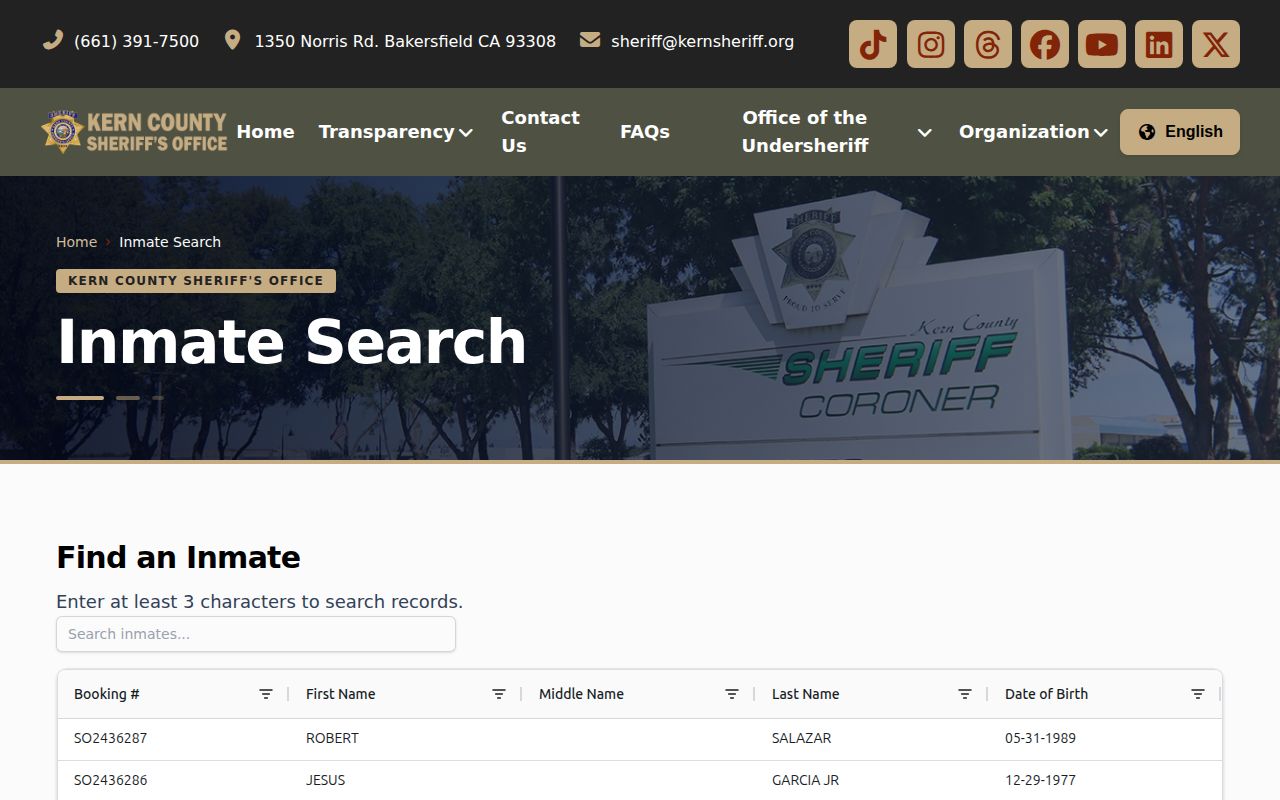
The tool works for matching a name to a person in custody. Call it a photo gallery or a full arrest history, though, and you would be wrong.
Request Kern County Busted Records
Start with the photo rule, because it blocks most requests. KCSO Arrest Records staff cannot release another person’s booking photograph to the public or the media. The one exception is narrow. Someone arrested by KCSO can get their own photo, in person, with government photo ID, for $5. A focused California Public Records Act request can still land a releasable non-photo arrest or booking record.
- Identify the record by full name, date, arresting agency, and document type. Add the booking or case number when known.
- Use the KCSO JustFOIA portal, the CPRA form, email, mail, or in-person delivery. Do not ask KCSO for another agency’s police report.
- Describe the exact booking, arrest, incident, or release material requested. A narrow request helps staff locate the right file.
- Expect a determination within the stated ten-calendar-day period, not guaranteed production of every record within ten days. Review and lawful extensions can add time.
- If records are withheld or no record is found, read the stated basis and confirm whether another police agency or the court is the custodian.
KCSO Records Section
1350 Norris Road
Bakersfield, CA 93308-2231
Arrest Records: (661) 391-7624
Monday through Friday, 8:00 a.m. to 5:00 p.m.
cprarequests@kernsheriff.org
The KCSO JustFOIA request portal provides the official online submission and tracking route.
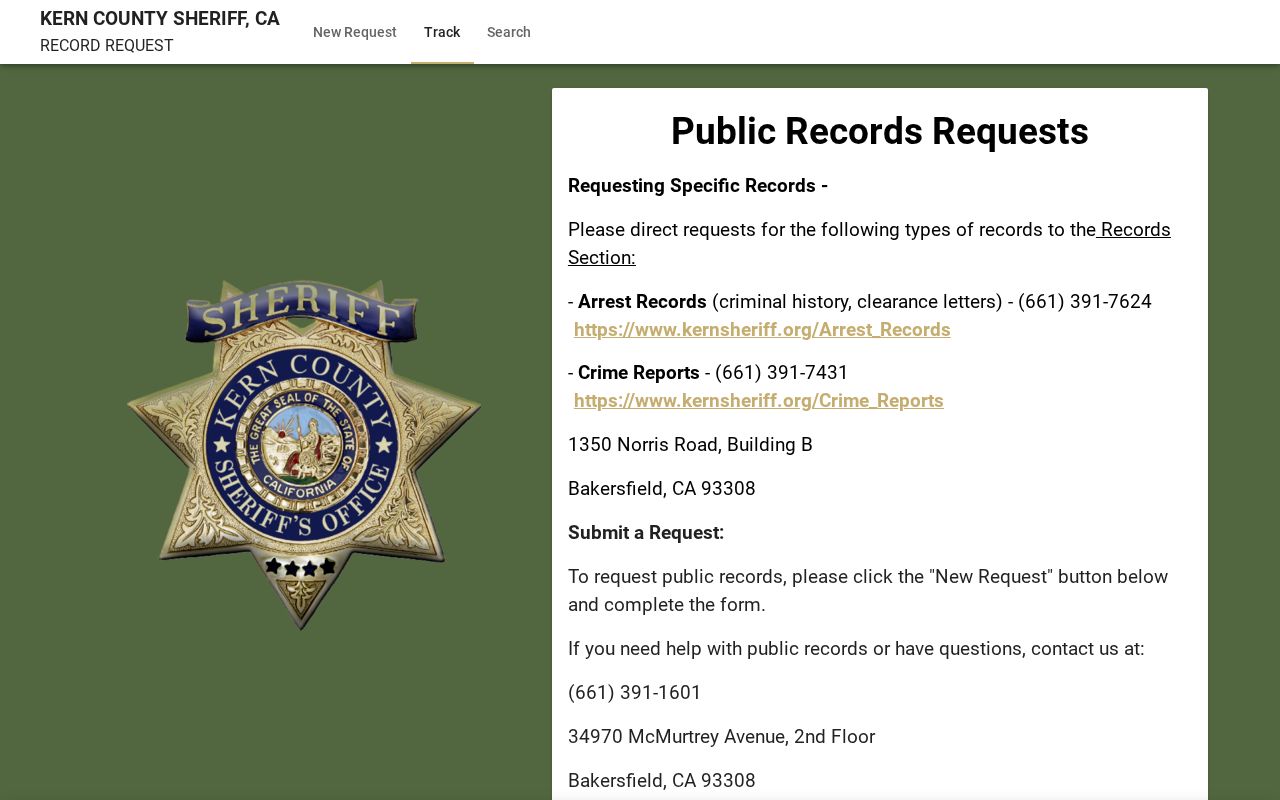
The portal is a channel for disclosure, nothing more. It cannot override the booking-photo policy or force protected material into the open.
Kern County Arrest Fee Differences
KCSO splits these services apart, and mixing them up is easy. Fees and access rules attach to the exact item requested. There is no broad category called a mugshot search. Your own arrest information costs nothing. Your own KCSO booking photo runs $5 in person with photo ID. Qualifying crime-report copies are listed as free. Technical Investigations case photographs cost $5 per print once arranged through Records.
| Service | Published amount or rule |
|---|---|
| Own arrest information | No charge |
| Own KCSO booking photograph | $5, in person with photo ID |
| Qualifying crime-report copy | No charge under the KCSO description |
| Case photograph | $5 per print through Technical Investigations and Records |
A case photograph differs from an intake portrait. It may show evidence or a crime scene. Fee amounts vary too. City police departments set their own charges, so Bakersfield, Delano, and Ridgecrest files may not match county pricing. Ask the agency holding the record for its current quote. The KCSO Arrest Records Unit policy is the source for its booking-photo limits and own-record service.
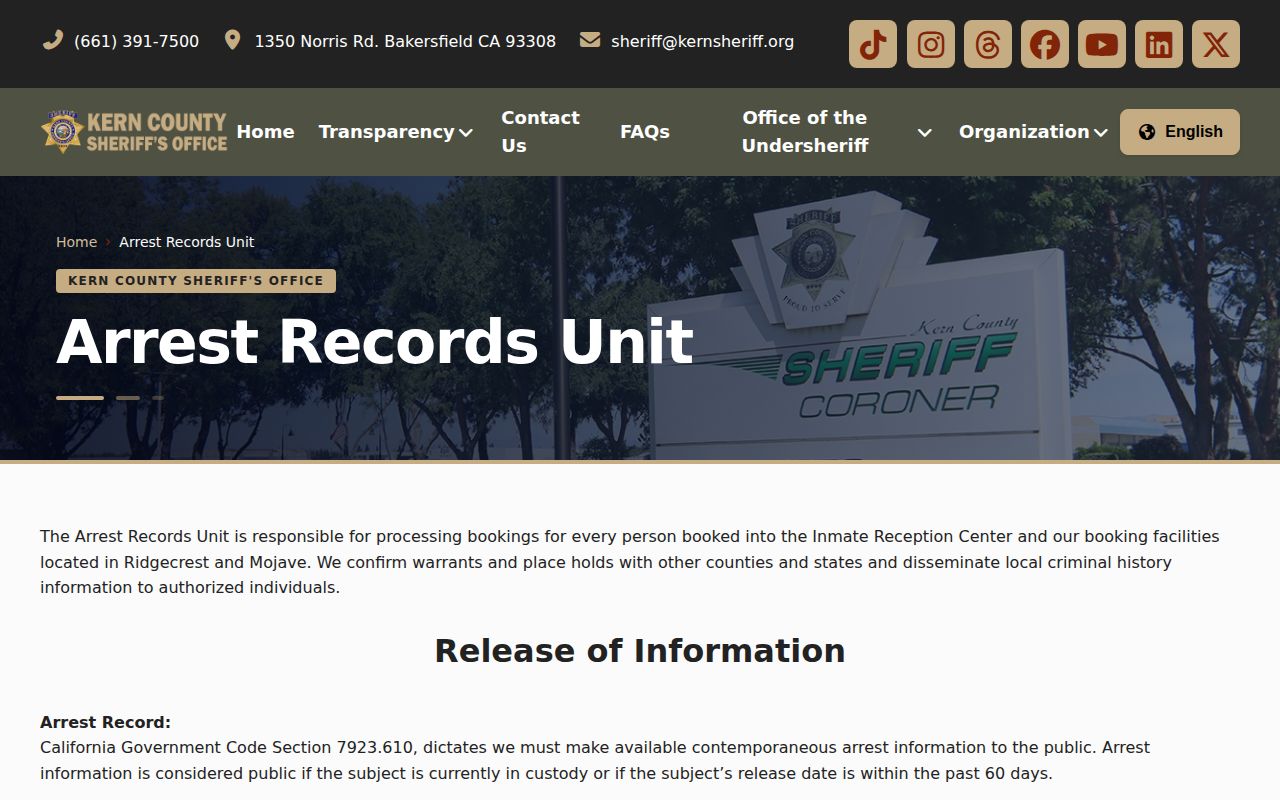
The policy also explains why a generic public request should never be framed as a route to someone else’s Kern County mugshot.
Kern County Busted Photo Laws
California Government Code section 7923.610 covers contemporaneous arrest information. KCSO treats it as public while a person is in custody, or was released within the prior 60 days. Read that as an access window. It does not promise every released person stays in the web grid for 60 days. Nor is it a destruction schedule for the photo itself.
Two more statutes shape the landscape. Civil Code section 1798.91.1 bars a booking-photo publisher from soliciting or accepting payment to remove, correct, alter, or withhold the image. Still, it does not force publishers to erase accurate items on demand. Penal Code section 13665 restricts police and sheriff social-media posts, especially for nonviolent arrests, and often requires removal within 14 days unless an exception applies. Agency-run databases sit outside that statute’s social-media definition. The official California Civil Code booking-photo provisions show the anti-payment rule.
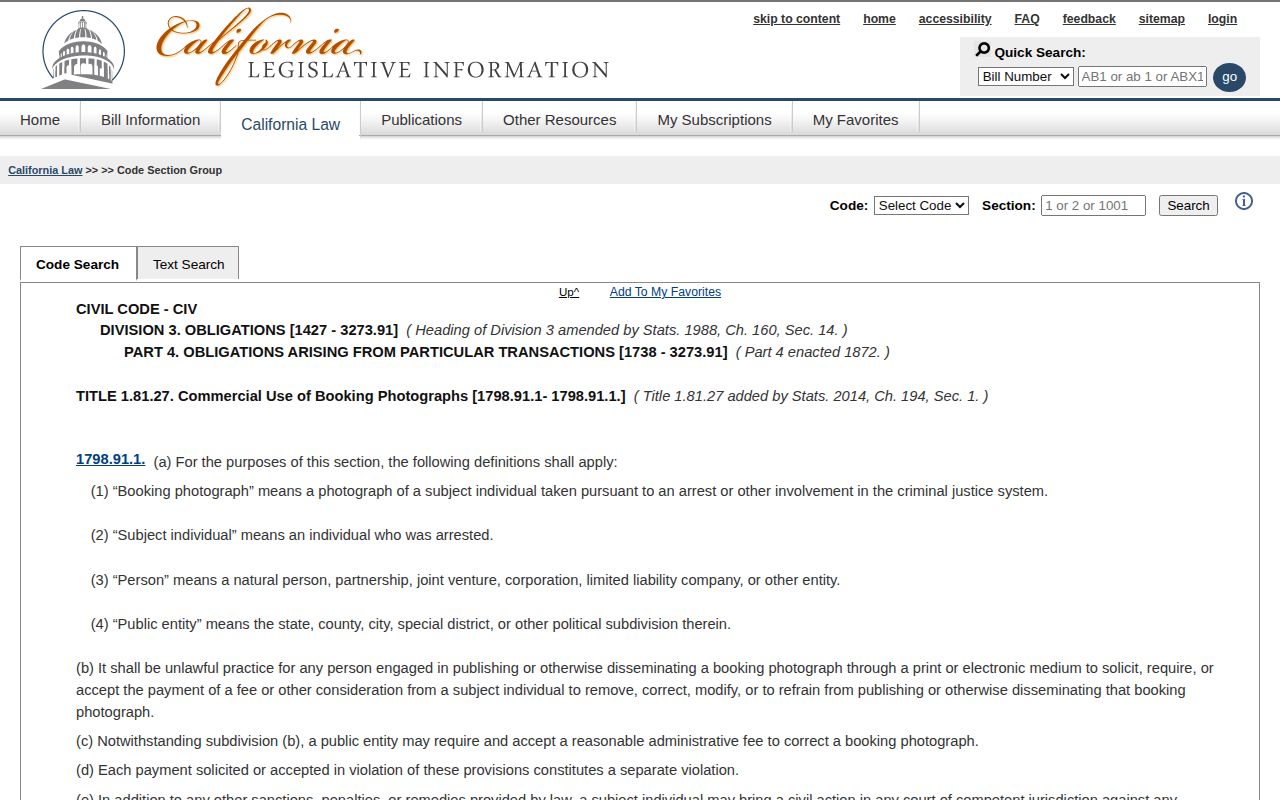
One caution about the statute. It shields against a charge connected to removing or correcting a record. That is narrow. It is not a blanket promise of deletion, and reading it that way leads people astray. Separate rules govern what agencies may post online, covered by the California Penal Code social-media rule.
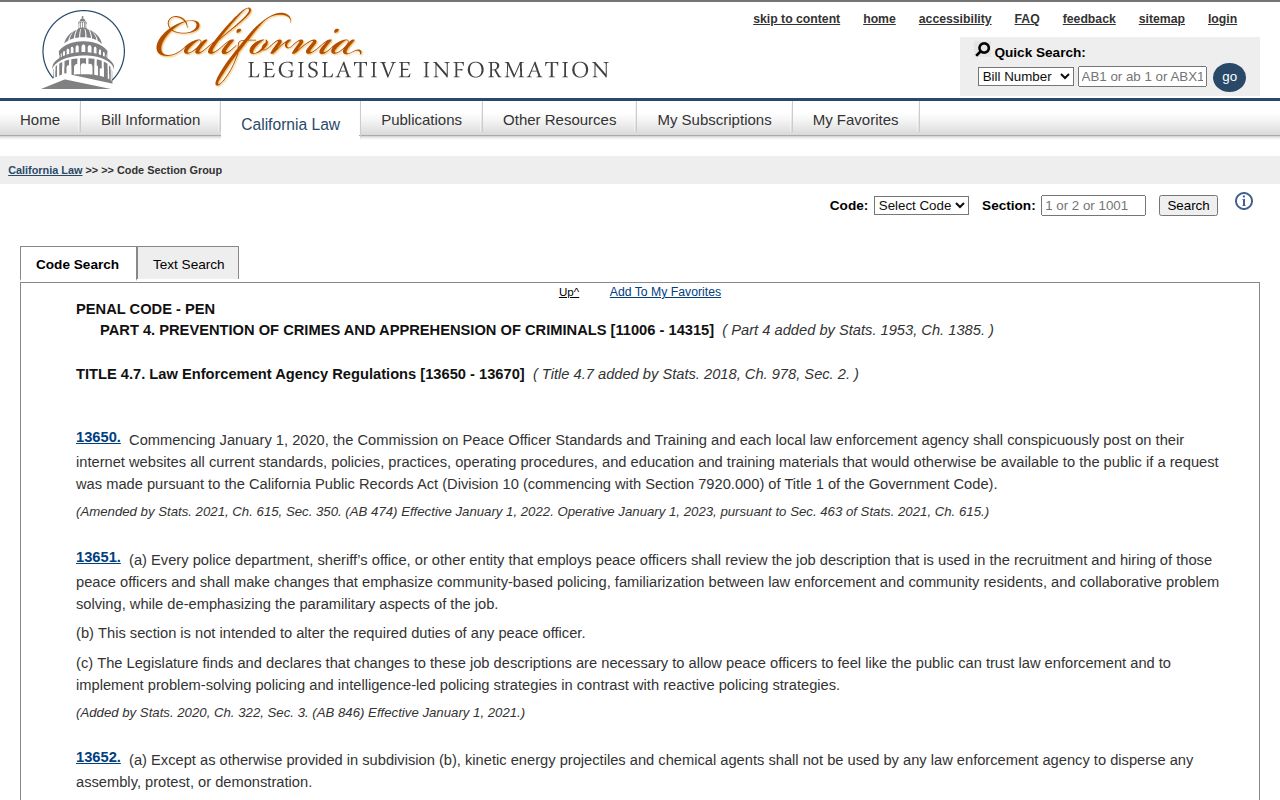
That rule has exceptions, and its scope is limited. Anyone who boils it down to "every mugshot must come down after two weeks" is oversimplifying what the text actually does.
Correct Kern County Busted Results
Corrections work best when you start at the top. Contact the KCSO or city police records custodian and supply the exact record, its URL, the booking or case number, the field you dispute, and any official paperwork showing a later correction or sealing order. Filing a records request gets you documents. It does not, by itself, order anyone to fix or seal anything. Court relief runs on a separate track.
Sealing is that track. California Penal Code section 851.91 can cover arrests that never led to conviction, including cases with no filed charge, dismissals, finished diversion, or acquittals, and the California Courts process uses form CR-409 with its instructions. Section 851.93 may bring automatic relief in some situations, though government access can survive. Even a sealed arrest will not wipe every old news page or copied entry overnight.
For a private site, stick to a free, published correction or opt-out route. The RecentlyBooked free removal policy says it weighs sealing, dismissal, wrong-person matches, duplicates, and stale data without charging anything. Mugshots.com offers free maintenance for supported sealing, restricted records, identity theft, death, and disposition updates. Save copies of everything you send. Once the underlying page changes, a search engine's outdated-content tool can refresh a stale result or snippet. Never pay anyone who promises total erasure.
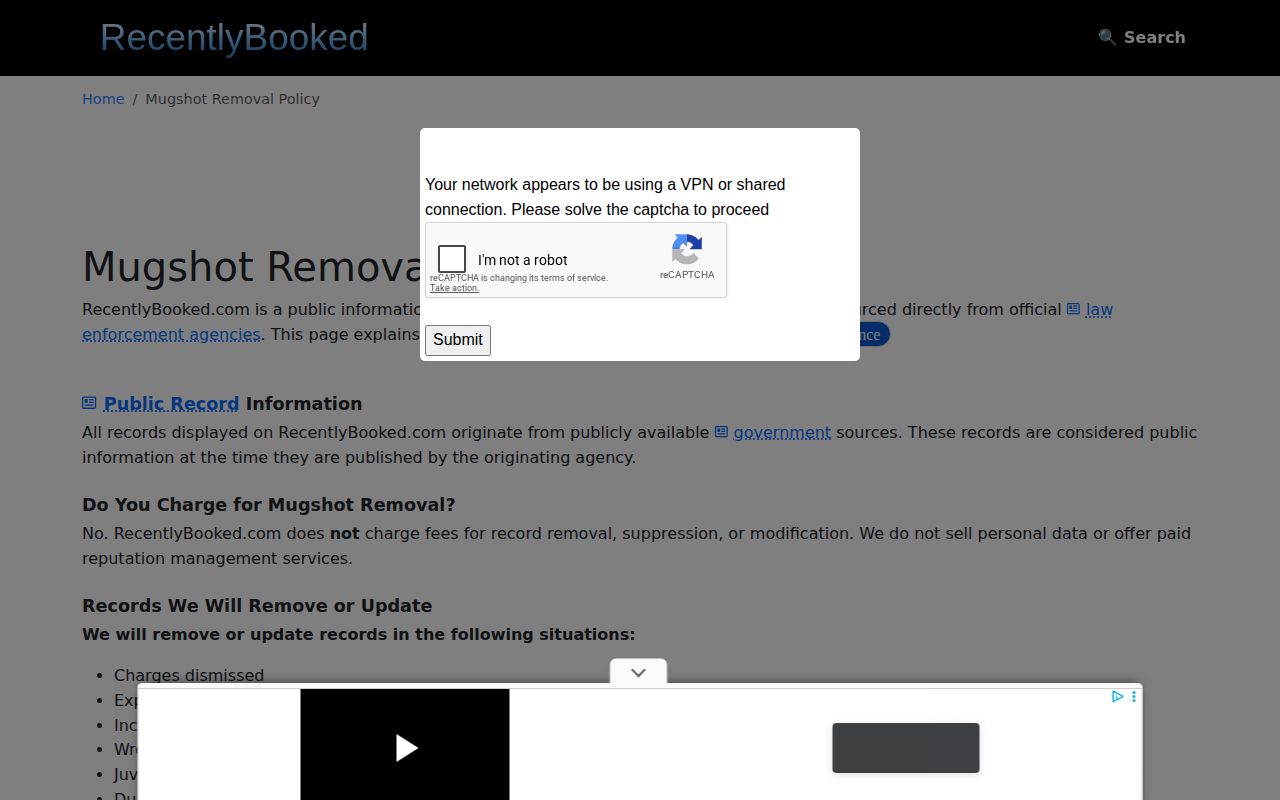
Keep the two paths straight. A publisher’s policy is just a secondary site’s process. It is not court relief. And it is no promise your request gets granted. The California Courts arrest-sealing guide is the official place to begin.
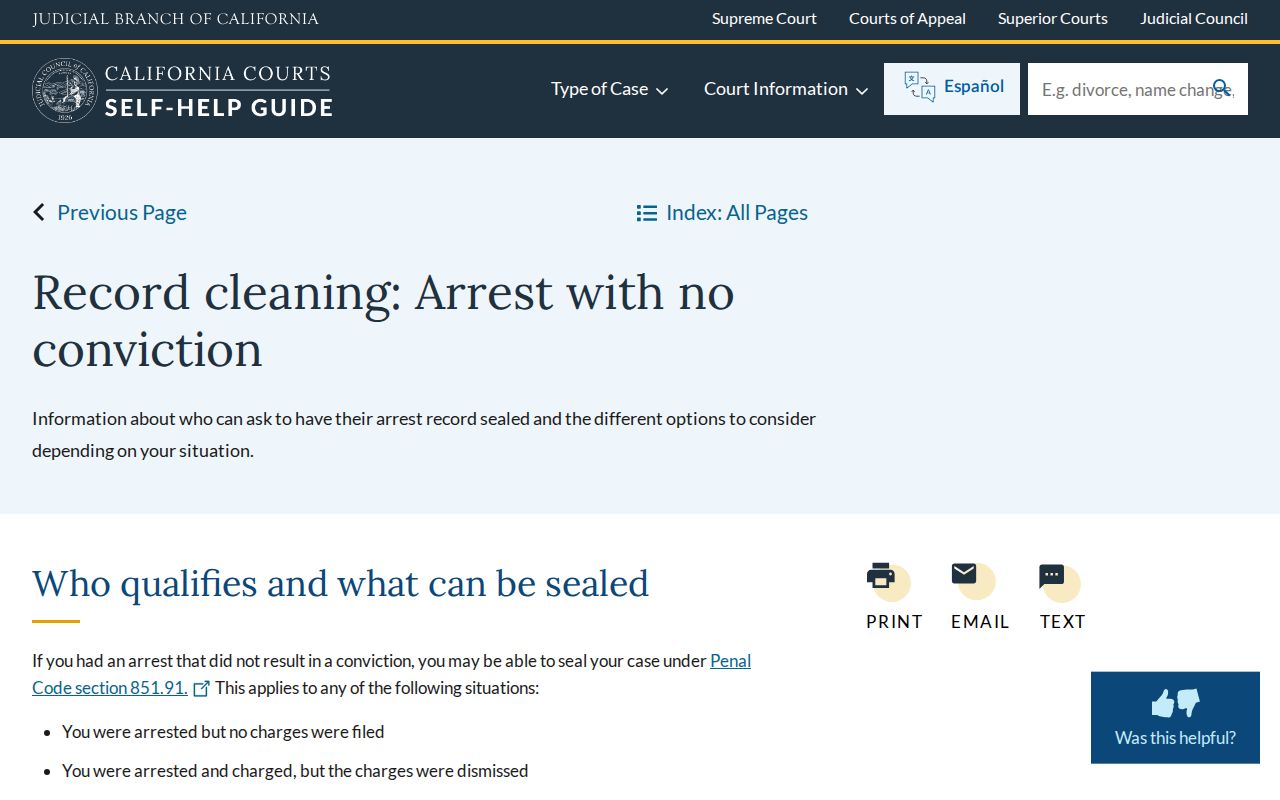
Court relief turns on the facts of the case, and it is simply a different thing from asking a private publisher to update its copy of a record.
Old Kern County Arrest Records
What happens to county files after release? Under KCSO policy, the file transfers to the Arrest Records Section. At minimum it holds the booking form, the original field-arrest data, and court records. Later, physical files move to the Lerdo Records Storage Room, with labels showing retention and destruction data. No policy that has been located sets a firm destruction term for county booking photos.
To find an old record, send a narrow request. Include the person’s name, date of birth, approximate arrest date, booking number if known, arresting agency, and the exact record type you want. Ask whether KCSO still holds it, whether it moved, and which retention schedule applies. Older court files sit with the Superior Court clerk. State-prison records belong to CDCR. Nothing indicates Kern County booking files routinely end up at the California State Archives.
Note: The 60-day public-information window governs access to recent arrest facts, not how long every county file or photograph survives.
Find Kern County Busted Arrests
Where the person sits in the process shapes which search fits. Start with official county custody. Then work outward to the arresting agency and the court. State, federal, immigration, notification, and secondary channels each answer narrower questions, because no single search returns a complete history.
- Search the KCSO inmate table with at least three characters. Match date of birth and booking number, not just a common name.
- If the arrest was recent but no entry appears, confirm the arresting agency and contact Arrest Records. Allow for intake, release, transfer, spelling, or an event that never became a jail admission.
- Request the incident report from Bakersfield, Delano, Ridgecrest, or KCSO according to which agency made the arrest.
- Search Kern Superior Court for filed charges, hearings, and disposition. A booking number and court case number are not interchangeable.
- Use CDCR CIRIS only for qualifying California state-prison custody. Use federal or immigration locators only when those systems may hold the person.
Someone released from custody drops out of the current grid. KCSO still posts arrest details for releases within the prior 60 days, so Arrest Records serves as the official follow-up. To browse wanted persons or run a safe warrant check, turn to the separate Kern County Most Wanted resource instead.
Search Kern County Busted Roster
The KCSO inmate search is the county's core custody tool. Type at least three characters into the global search or a field filter. Before accepting any match, confirm the booking number and date of birth. A hit only means a matching identity showed in the KCSO custody grid when you searched. It reveals no bond, court event, or release date. It also shows no assigned unit, final outcome, or photograph.
| Search or result field | Use | Limit |
|---|---|---|
| Name text | Starts a search with three or more characters | Spelling and shared names can mislead |
| Booking number | Links the result to one county admission | It is not a court or CDCR number |
| First, middle, last name | Helps compare the returned identity | Aliases and multiple surnames can vary |
| Date of birth | Separates many same-name results | Confirm it with another identifier |
How current is the grid? KCSO gives no refresh interval, and its current warning notes that partner-agency system changes may affect accuracy and currency. So never call it real time. Never promise a booking will post within a set number of minutes. If a result clashes with other official information, ask the record custodian first, then check the court portal for filed-case status.
Why Kern County Mugshots Stay Private
The most useful mugshot fact here is a negative. The online inmate table carries no photo, and KCSO says Arrest Records staff cannot release booking photographs to the public or media. The arrestee alone may obtain their own image, in person, with photo ID, for the published fee. The sheriff app is not a verified workaround.
That policy keeps any sound search path honest: no image is coming from the county. A commercial repost may show a face, but it is not the official current record, and it can be delayed, duplicated, mislabeled, or left online long after release or a court change. Verify identity and custody through KCSO. Verify case outcomes through Superior Court.
Kern County Busted Feed Limits
The sheriff's office does not run a true bookings feed. There is no same-day, 48-hour, weekly, or chronological arrest list from KCSO. The alphabetical current-custody grid is not one under a different label. No posting schedule exists. No weekend routine, persistence rule, or booking archive either. What you get is the custody grid, plain and simple.
Other data sources come close but fall short. KCSO Reports and Stats summarizes calls for service and events. A call can end with a citation or no report at all. A free daily event summary is available on request. Ridgecrest Police keeps the county's only verified chronological city police log, though it tracks incidents and calls rather than bookings and includes no booking portraits.
| Time window | Official Kern County finding | Best fallback |
|---|---|---|
| Same day to 48 hours | No distinct KCSO booking feed located | Current-custody search, then Arrest Records |
| 72 hours to weekly | No distinct KCSO multi-day booking feed located | Focused records request and court search |
| Older bookings | No official feed archive or window found | Narrow CPRA request to the proper custodian |
| Daily incidents | Event summaries are not arrest lists | Use for context, then verify custody and court |
Note: A missing roster entry cannot prove release, transfer, sealing, a glitch, or that no arrest ever happened.
Kern County Arrest Numbers Explained
KCSO Detentions books roughly 30,000 new arrests a year. It houses an average population near 1,700. Those figures gauge the workload of the detention system as a whole. A separate monitoring report tallied 6,408 arrests by KCSO deputies in 2023. That number measures one agency's enforcement, not total admissions to county custody.
Don't treat these totals as rival crime scores. City police and other agencies also book people into the county system. The deputy figure counts KCSO arrests alone. Neither number reveals how many cases ended in filed charges or convictions.
Kern County Sheriff App Search
The sheriff's office has free apps for iOS and Android. Each one gathers inmate information, news, alerts, tips, and emergency resources. Neither store listing promises booking photos. Call it an information channel, not a hidden mugshot roster.
Verify identifiers in the app as carefully as on the web roster. Emergencies need 911, not an in-app tip. Case outcomes live at Kern Superior Court, not the custody listing.
Note: App listings change, so confirm current features and publisher details in the official store first.
Track Kern County Busted Custody
KCSO points to California VINE and VINELink for custody-status alerts. Register after you match the right person and agency. That unlocks alerts for supported custody events. VINE tracks later changes well, but it is not a mugshot source, a full case file, or a court verdict. Keep the person, agency, and contact details current.
Nixle sends community alerts. Sheriff or city news posts cover selected events. Each tool has its own job. The roster shows who was in custody at search time, VINE reports custody changes, the court portal displays filed case activity, and a city police log may add incident context. The official KCSO victim notification page links straight to the custody-alert service.
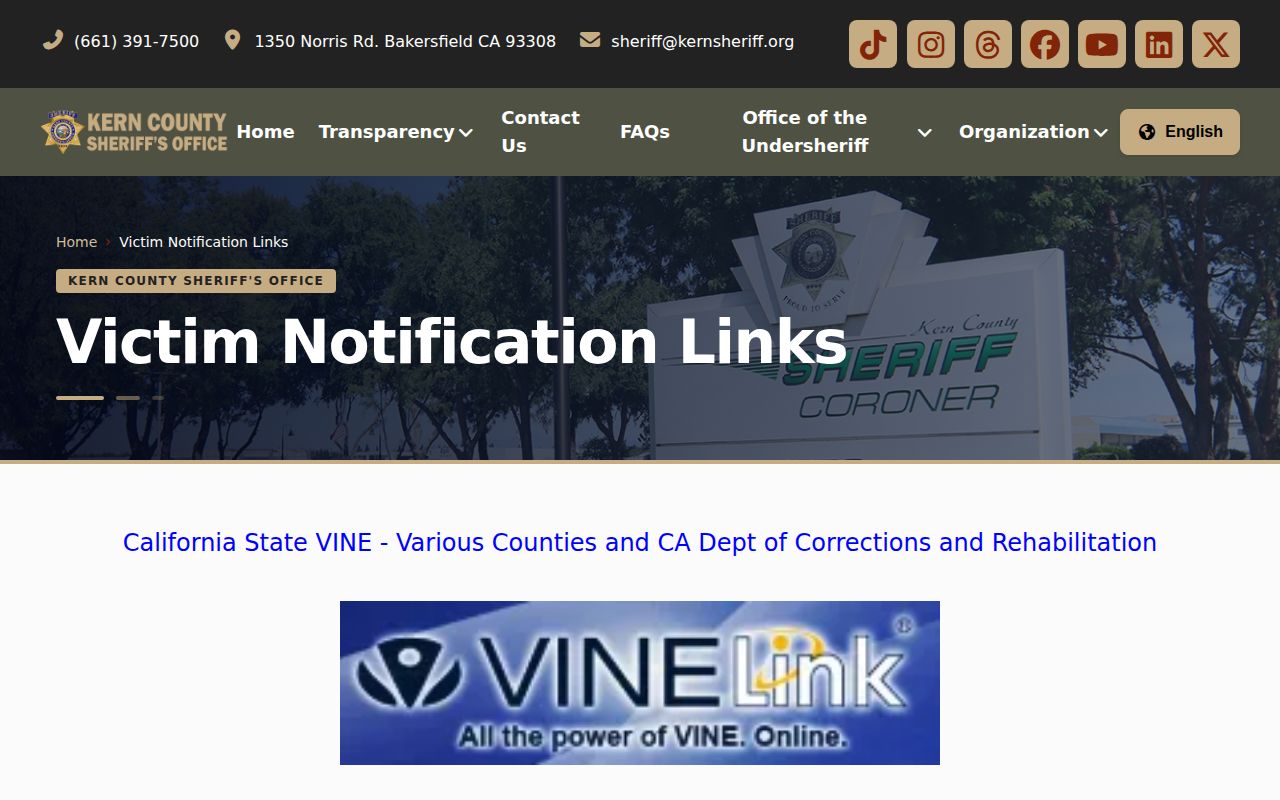
Alerts work best once you have matched the person and agency through official records first.
Kern County Arrests Reach Court
How fast does an arrest become a court case? Kern Superior Court sets the clock. An in-custody defendant has the right to arraignment within 48 hours of arrest, give or take the legal rules that shape how those hours get counted. At arraignment, the court handles the filed counts, the plea, counsel, custody or release, and the schedule ahead. A booking snapshot goes stale fast for that reason.
Use the Kern Superior Court case-information search to follow what happened next. A case number is the cleanest key. Name searches take more care, since identity matching can trip you up, and registration may be required. Check the filed counts, the hearing history, and the disposition. One caution applies. Online results are not certified records, so order a clerk-certified copy whenever you need something official.
- Booking
- Jail intake that creates a custody identifier, photograph, fingerprints, and related records.
- Arraignment
- The first court hearing addressing filed charges, plea, counsel, and scheduling.
- Bond
- A financial condition that may relate to release while a case is pending.
- Disposition
- The recorded outcome of a charge or case, such as dismissal, acquittal, plea, or conviction.
- Sealing
- A legal process that limits public access to qualifying arrest records without erasing every government copy.
Criminal cases are heard at Kern County courtrooms in Bakersfield, Delano, Lamont, Mojave, Ridgecrest, or Shafter, depending on geography and assignment.
Kern County Custody Beyond Jail
A state-prison sentence ends the county roster's usefulness. CDCR CIRIS is the official state-prison search. Reach it with a CDCR number or a careful name and identifier match. A KCSO booking number will not work there. People released locally, serving county time, diverted, acquitted, or never charged may never appear in CIRIS at all.
State photo rules differ from Kern County's. You can request identification photographs through CDCR's Office of Public and Employee Communications. No CPRA request is needed. Safety or investigative concerns can still justify withholding. The locator itself will not display a photo. The official CDCR incarcerated-person search is the proper channel for sentenced-prison custody.
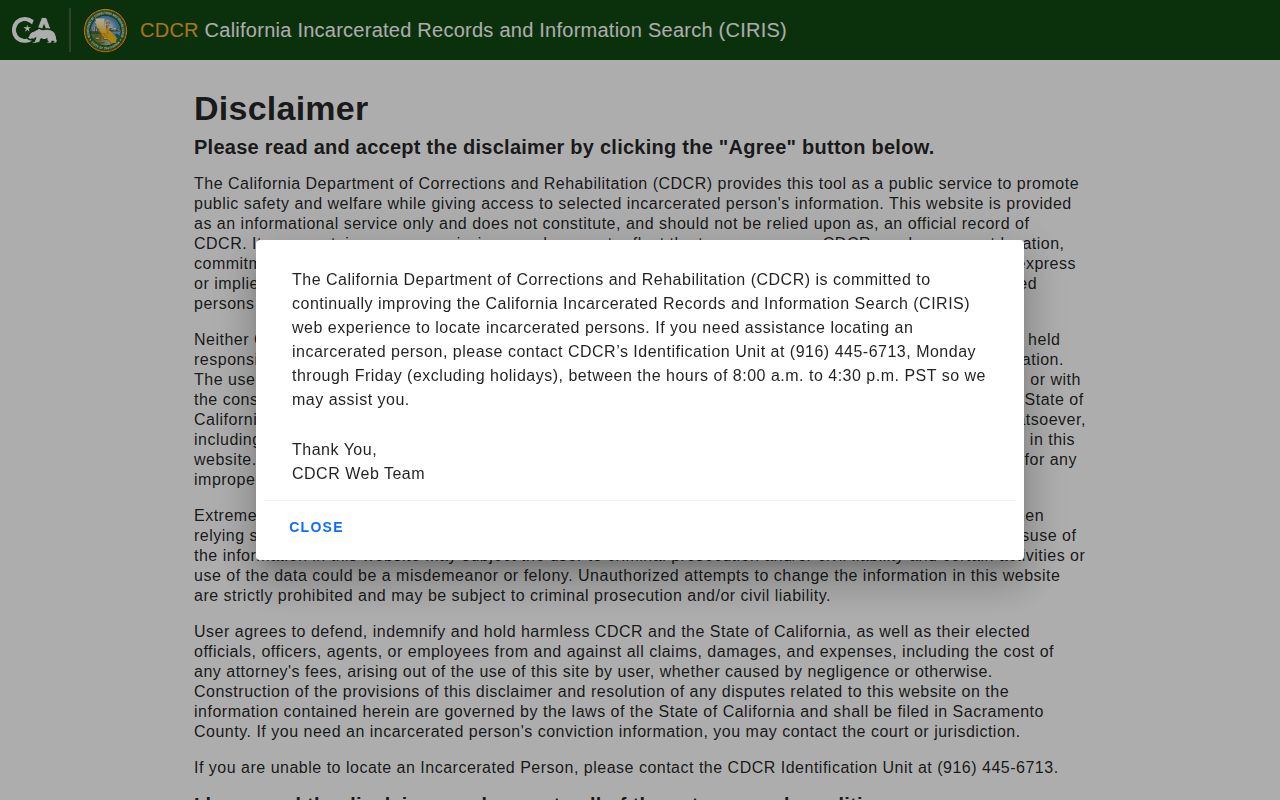
CIRIS tracks state corrections custody only, not every fresh Kern County arrest.
Separate systems need separate tools. The Federal Bureau of Prisons locator and the ICE Online Detainee Locator cover different populations entirely. BOP allows federal identifier or biographical searches and publishes no inmate photos. ICE relies on an A-number plus country of birth, or a biographical route, for covered immigration custody, which can be civil. Never guess immigration status from a name or a county record. U.S. Marshals wanted notices are selective, not a county booking log.
Where Kern County Busted Mugshots Appear
Start with official sources. Each one controls a defined record. Secondary publishers and news outlets can still help, since a dated lead is worth having. But their pages run late, duplicate entries, go incomplete, or sit unchanged after a court event. Treat them as starting points, not answers.
| Channel | Photo? | Status and best use |
|---|---|---|
| KCSO inmate search | No | Official current-custody identity grid |
| KCSO Arrest Records | Own photo only | Official booking and recent arrest information route |
| Kern Superior Court | Not a mugshot source | Official filed charges, hearings, and disposition |
| CDCR | By policy request, subject to limits | Official state-prison record, not recent county booking |
| Local news | Sometimes | Selective, dated reporting with image source varying by story |
| RecentlyBooked and Mugshots.com | Often | Unofficial discovery only; verify through KCSO and court |
RecentlyBooked’s Kern County section is a verified local secondary page. It is unofficial and may not reflect release, correction, sealing, or later court action.
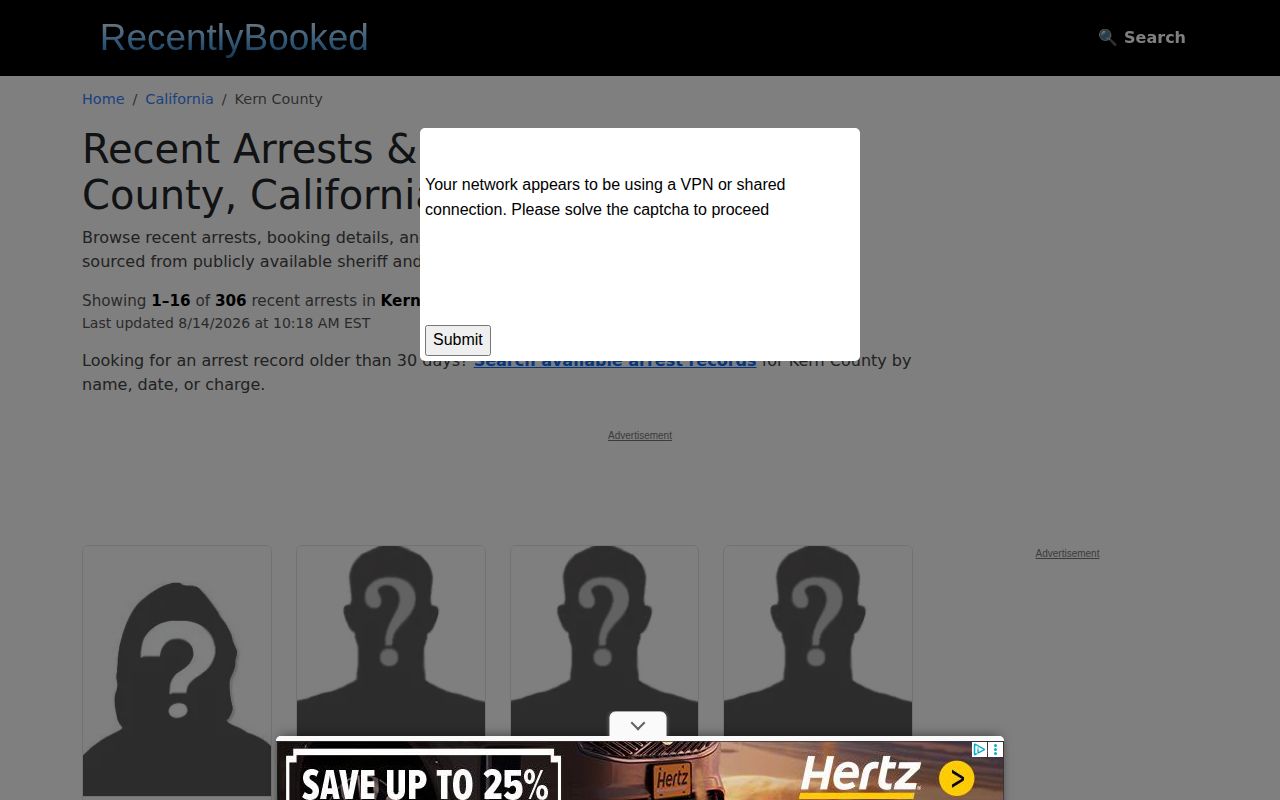
The cards there work as a discovery lead. For current custody and disposition, the KCSO roster and Kern Superior Court still come first.
The verified Mugshots.com Kern County section is another unofficial publisher, and its listings can be stale or incomplete.
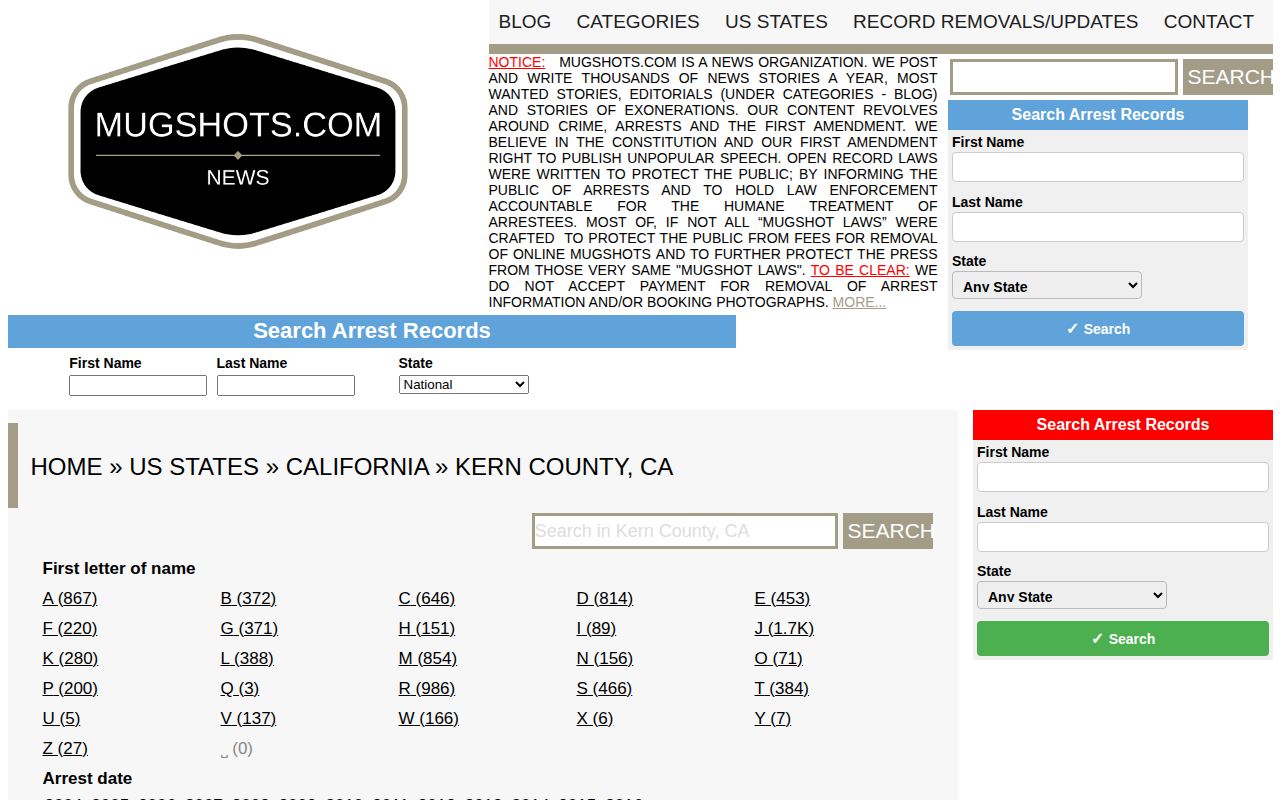
A name or photograph found on a secondary site needs an independent KCSO identity check plus a court disposition search before you rely on it. No verified Kern category exists yet for Busted Newspaper, Arrests.org, or Mugshots.zone, and guessed links should never fill those gaps.
Local news coverage is event-driven. KGET Crime Watch, 23ABC Crime, BakersfieldNow, The Bakersfield Californian, the Delano Record, and the Ridgecrest Daily Independent all report selected incidents. A story image might be a booking photo, but it could just as easily be a scene shot, an agency handout, a file photo, or a portrait. Read the caption first. Then confirm the underlying claim with the named agency.
Kern County Busted Mugshots by City
A city arrest often splits the paper trail in two. The police department keeps the call, the incident report, and the arrest report. County detention changes things. KCSO takes over the booking and custody record once the person lands in its jail. Superior Court adds the last layer. It holds the filed case and its outcome.
- Bakersfield Busted Mugshots: Bakersfield Police records document city incidents, while KCSO handles county booking and custody. No official BPD daily arrest feed was located.
- Delano Busted Mugshots: Delano Police Records and Dispatch holds city reports, and accepted jail bookings move into the KCSO system. Its news releases are selective, not a daily booking feed.
- Ridgecrest Busted Mugshots: Ridgecrest Police publishes daily incident logs, sometimes with arrest tables, while KCSO controls county booking records. The logs contain no booking portraits.
Follow the city trail when the county roster alone leaves an event unexplained. It can show which agency owns the incident report, which is often the key detail.